Trigger patterns
Common triggers, made clearer
Six patterns account for most reactive walks. Each one becomes easier to work with once you understand what your dog is actually reacting to.
Evidence-led tips
Calmer first steps
Built for real walks
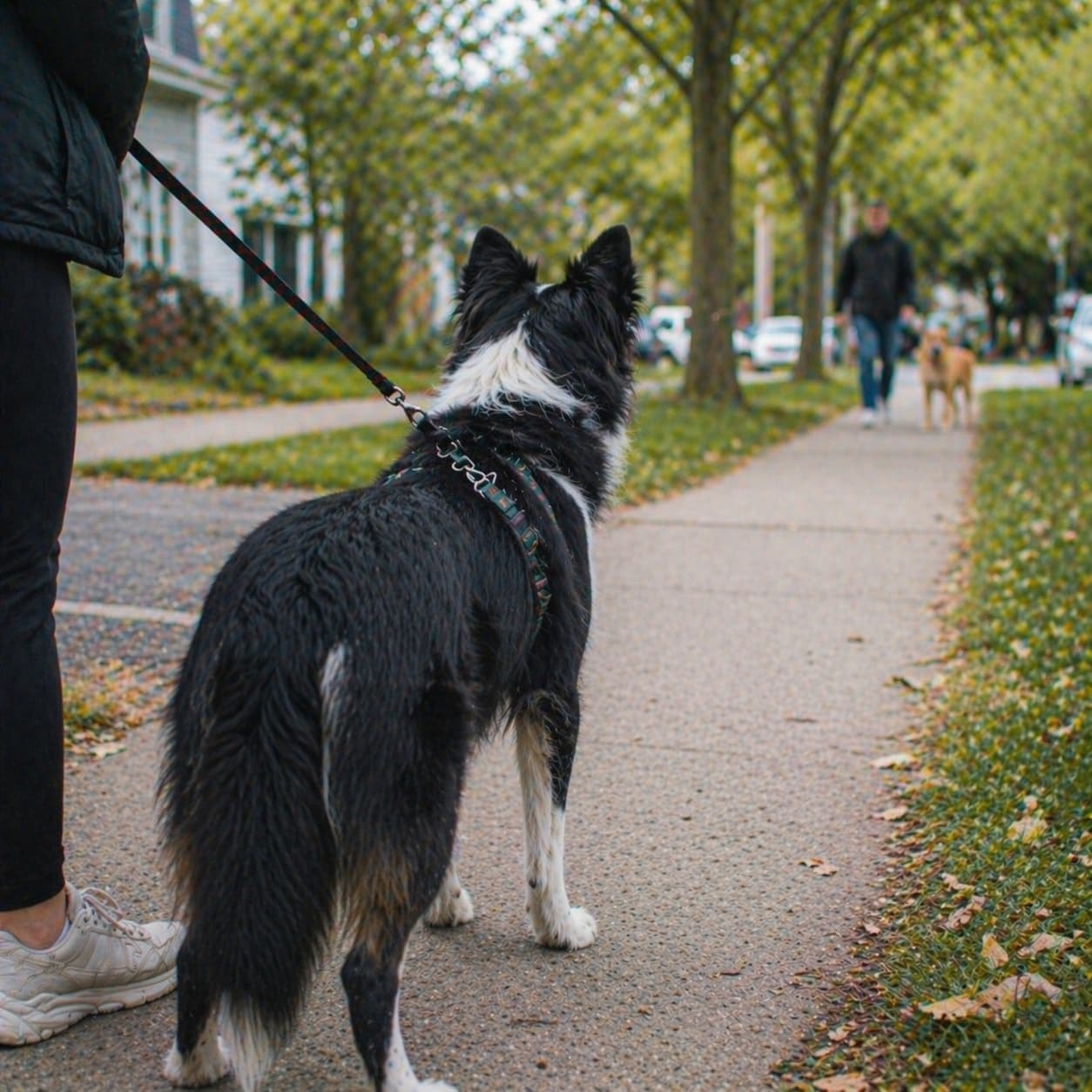
78% of reactive dogs
Other dogs
The most common trigger. Your dog isn't being aggressive — they're often scared, frustrated, or over-excited.
Quick tips
- •Increase distance before training
- •Use high-value treats when dogs appear
- •Practice Look-At-That (LAT)
- •Avoid on-leash greetings
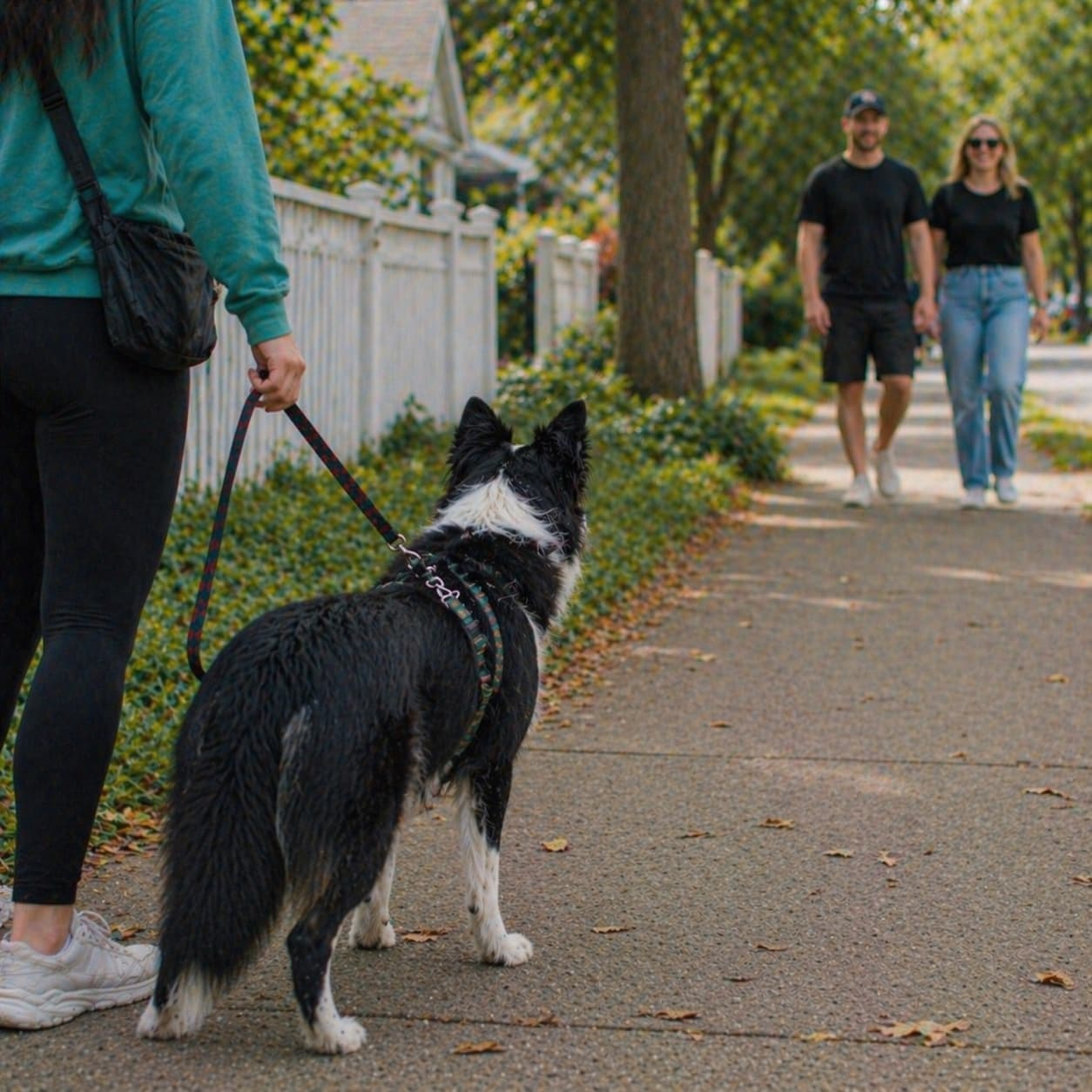
52% of reactive dogs
Strangers & people
Fear of unfamiliar people is often rooted in lack of early socialization or past negative experiences.
Quick tips
- •Let your dog set the pace
- •Avoid forcing interactions
- •Build positive associations with treats
- •Respect their comfort zone
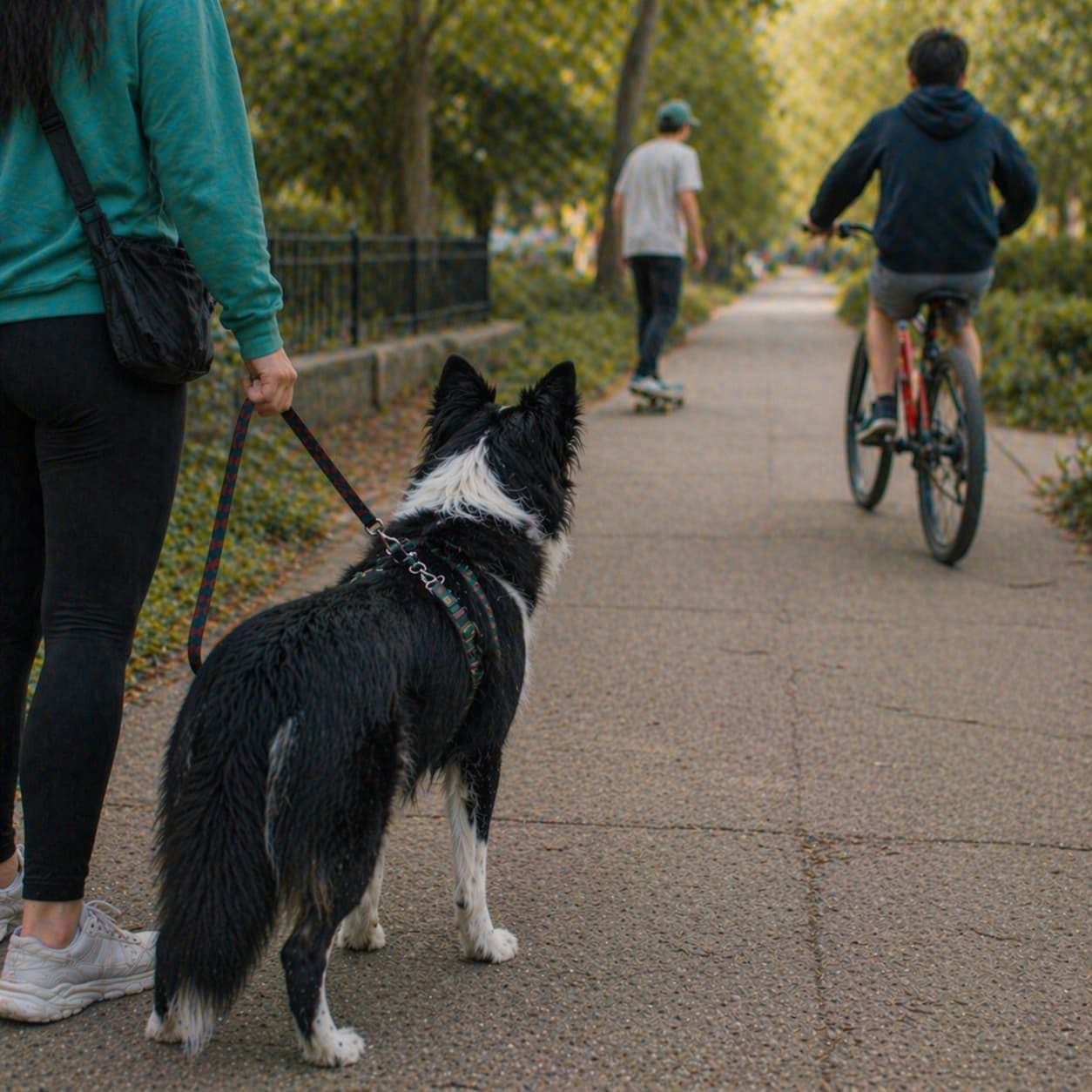
34% of reactive dogs
Bikes & skateboards
Fast-moving objects trigger predatory chase instincts or cause fear due to unpredictable movement.
Quick tips
- •Practice in low-traffic areas first
- •Reward calm behavior when bikes pass
- •Keep a safe distance initially
- •Build up exposure gradually
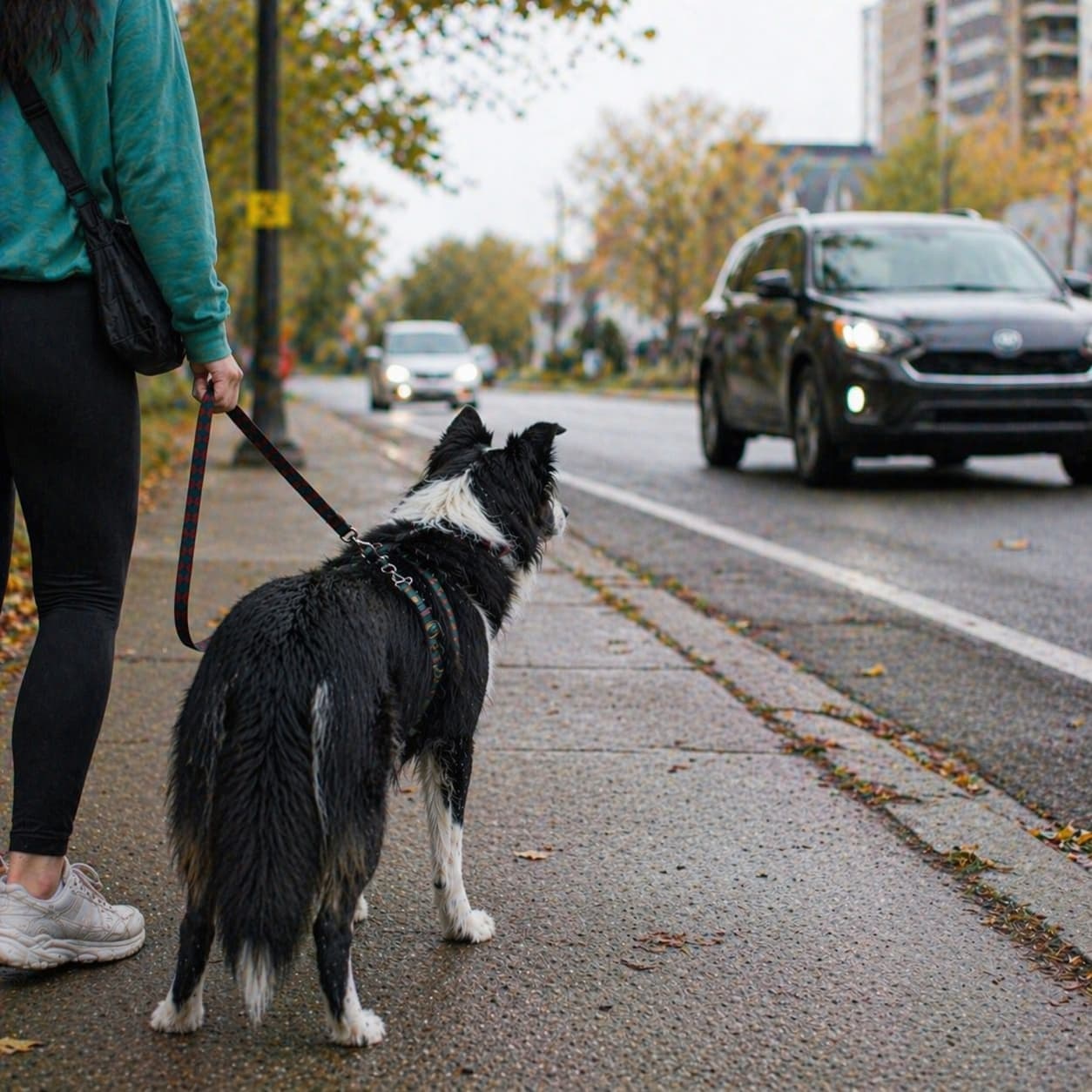
28% of reactive dogs
Cars & traffic
Large, loud, fast-moving vehicles can be overwhelming and frightening for many dogs.
Quick tips
- •Start on quiet streets
- •Create distance from busy roads
- •Pair traffic sounds with treats
- •Use calming exercises before walks
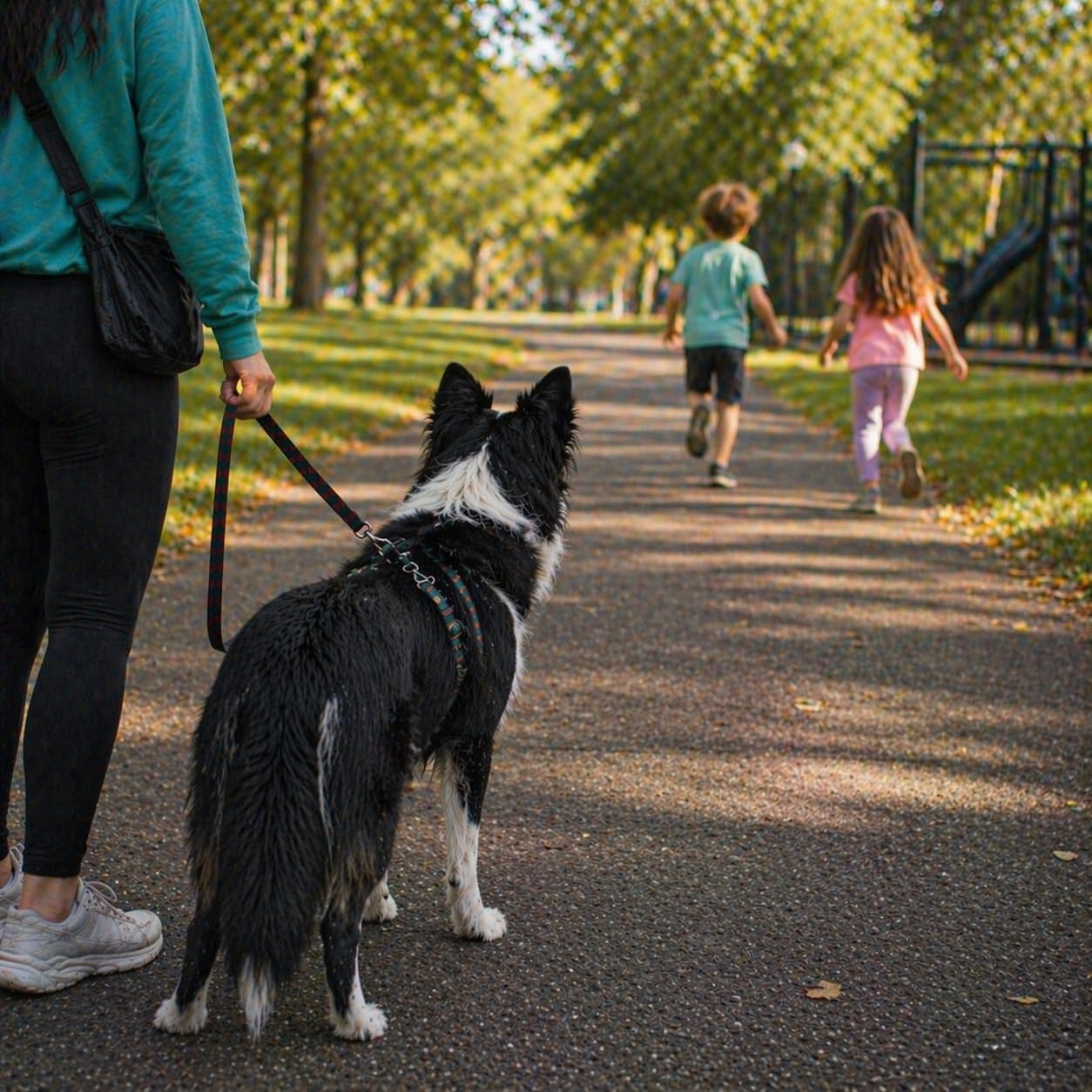
31% of reactive dogs
Children
Kids move unpredictably, make sudden noises, and can be overwhelming for sensitive dogs.
Quick tips
- •Never force interactions with kids
- •Supervise all encounters
- •Create escape routes for your dog
- •Teach children to be calm around dogs
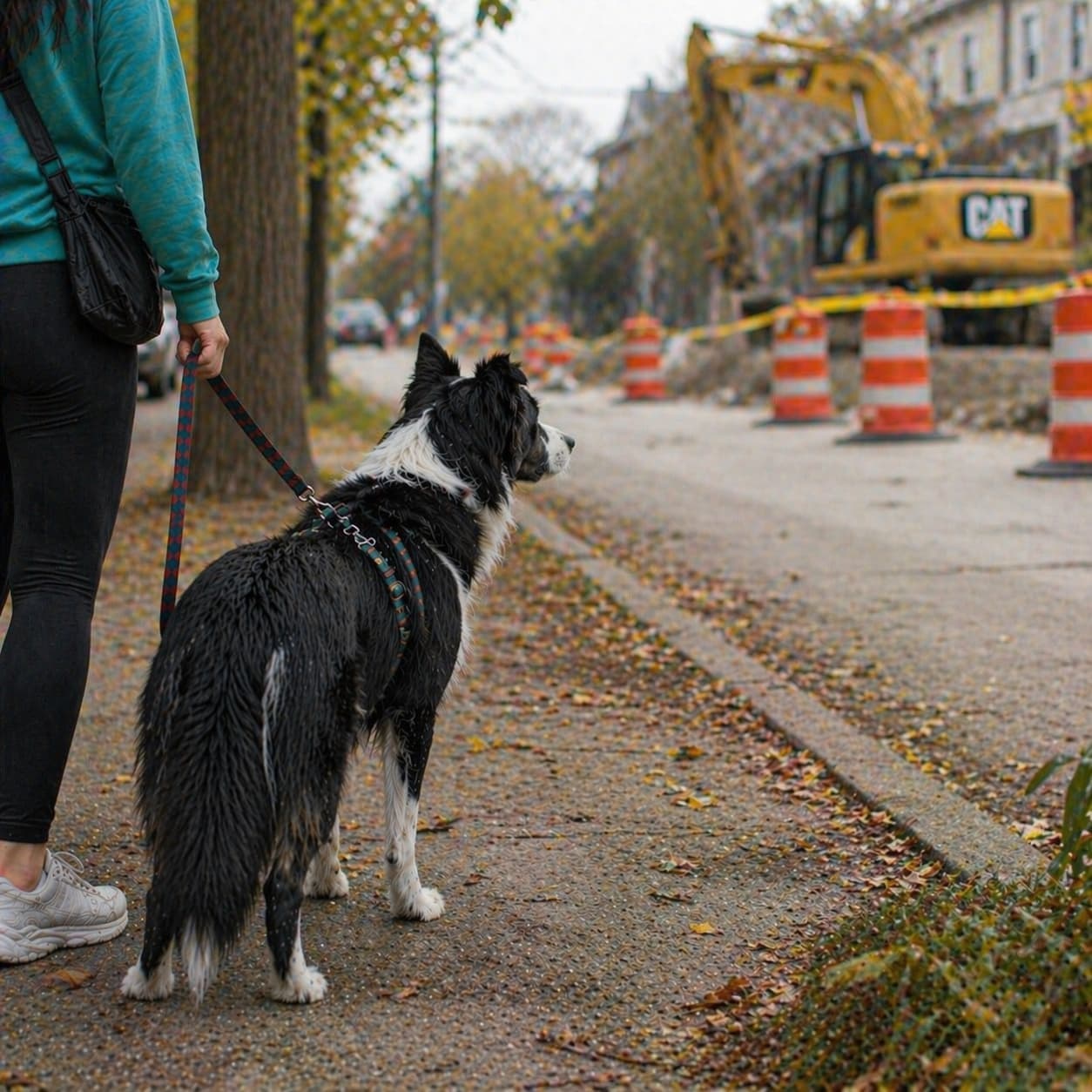
45% of reactive dogs
Loud noises
Thunder, fireworks, construction — noise sensitivity is common and treatable with desensitization.
Quick tips
- •Create a safe quiet space
- •Use white noise or music
- •Practice desensitization recordings
- •Consult your vet for severe cases